Kenzo Hoodie QC: Verify Color, Logo, Stitching
Insight
Jonas ReinhardtThis guide helps you inspect QC photos of a Kenzo embroidered hoodie before placing an order, focusing on whether the images actually match the intended product and whether there is enough evidence regarding color, size, logo placement, collar, cuffs, and stitching to justify proceeding. QC photos can only help you spot visible issues; they cannot prove authenticity, nor guarantee fit, feel, or long-term durability. First, a key limitation of this particul
Jonas Reinhardt is Editor-in-Chief of the Kakobuy Yupoo Review Desk, writing agent comparison tables and leading retests. The work covers shopping-agent operations, parcel forwarding and QC photo standards, with Jonas signing off every hands-on score. Reviews are checked for order dates, QC photo notes, warehouse measurements and shipping-line timings, connecting the comparison tables with the records behind their scores. Each month, two reviews are selected at random and audited against original photographs and receipts, making publication approval and recurring checks of the supporting material part of the editorial work.
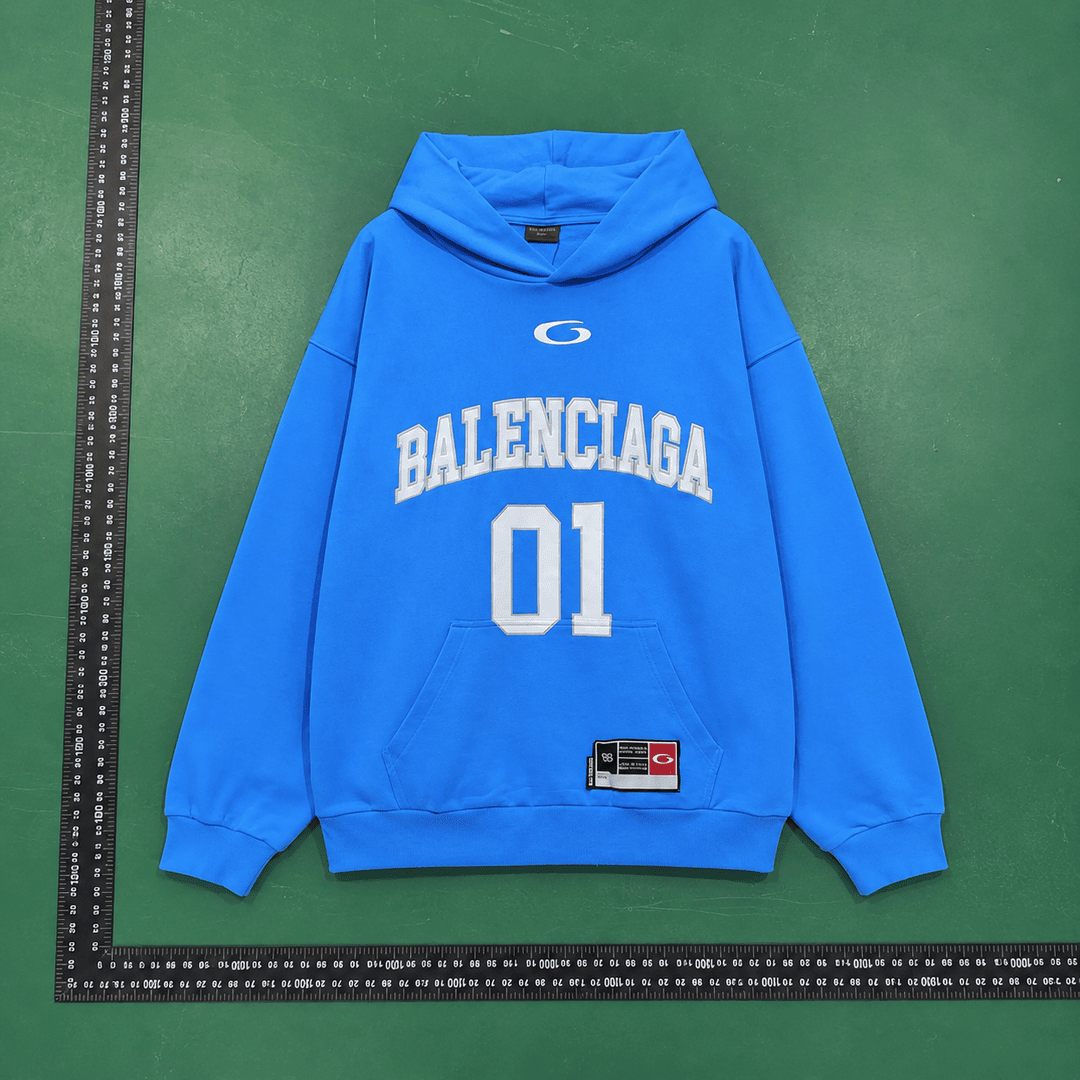
This guide helps you inspect QC photos of a Kenzo embroidered hoodie before placing an order, focusing on whether the images actually match the intended product and whether there is enough evidence regarding color, size, logo placement, collar, cuffs, and stitching to justify proceeding. QC photos can only help you spot visible issues; they cannot prove authenticity, nor guarantee fit, feel, or long-term durability.
First, a key limitation of this particular image check: the product visible in the specified image record corresponds to a blue Balenciaga hoodie, not a Kenzo embroidered hoodie. Therefore, the color, embroidery placement, or stitching seen in that image cannot be used as conclusions about the Kenzo item. The steps below apply to checking the Kenzo page; if the page does not match the product in the QC images, you should pause the order. 🧭
What This QC Guide Specifically Helps You Resolve
After reading, you should be able to accomplish three things:
- Determine whether the QC images belong to the Kenzo hoodie you intend to buy.
- Note visible issues in color, size, logo placement, and stitching.
- Decide whether to proceed, request additional photos, or pause the order based on whether the evidence is complete.
This guide does not apply to listings with only main product images and no corresponding QC photos, nor to using model or other product images to infer actual quality.
First Confirm the Style and Options on the Kenzo Hoodie Product Page
Start by opening the target Kenzo hoodie product page on fashion-reps and verify the product name, color options, size options, and displayed style. Do not determine QC photo ownership from the homepage, brand page, category page, or related product cards.
Note down the following information from the product page:
- Product name and specific style description
- Selected color
- Selected size
- Placement of embroidery, print, or other embellishments
- Seller or product identification shown on the page
If the page says Kenzo, but the gallery you open shows Balenciaga, other brands, different colors, or different fits, stop the check immediately. Similar product names or the fact that they are both hoodies are not grounds for assuming the images belong to the same item.
Enter the Corresponding Product Gallery via View QC Photos
After confirming the product page is correct, click the entry labeled View QC Photos to open the gallery. Do not guess the QC URL or treat galleries of other products from your browser history as the current one.
In the gallery, first check whether you can see brand labels, colors, fit, and embellishment placement that match the product page. If the gallery lacks clear product identification, treat it as insufficient evidence rather than assuming it belongs to your order.
The provided image record illustrates this limitation, but it is not evidence of a Kenzo product:

The visible record corresponding to this image is a blue Balenciaga hoodie, with catalog details mentioning cotton, heavier knit, embroidery, and print. It cannot be used to confirm the embroidery workmanship, color accuracy, or sizing of a Kenzo hoodie. 📷
Check Color, Size, and Embroidery Logo Placement
Color checking must be based on the actual color in the QC photos, while considering lighting, white balance, and background reflections. Do not judge actual appearance solely by the color name on the main product image.
Examine each photo one by one:
- Full front view: confirm the main color matches your selected color.
- Close-up shots: observe whether the embroidery color has noticeable color cast, missing threads, or extensive fraying.
- Collar and shoulder area: confirm the logo is not significantly misaligned relative to the garment body.
- Left-right symmetric areas: compare the distance of the logo from the center line, shoulder seam, or pocket.
- Size tag and packaging: confirm it matches the size you ordered, but do not treat the tag alone as a guarantee of fit.
If the page lacks flat-lay photos or close-ups of key areas, you cannot conclude the logo placement is correct. A safer approach is to request additional photos showing the entire garment, size tag, and embroidery details.
Inspect Collar, Cuffs, Hem, and Main Stitching
When inspecting stitching, focus on whether the stitches are continuous and whether there are obvious skipped stitches, broken threads, thread buildup, or severe asymmetry. Distinguish between normal loose threads from finishing and structural unraveling; do not judge every loose thread as a serious defect.
Check in the following order:
- Collar: check if the ribbing is twisted or seams are misaligned.
- Cuffs: compare width and finish of left and right cuffs, looking for local looseness or deformation.
- Hem: check for waviness, skewing, or long sections of uneven stitching.
- Shoulder seams and underarms: look for open seams, insufficient stitching, or obvious thread buildup at stress points.
- Around embroidery: note if the base fabric is puckered or stitches penetrate areas they shouldn't.
These only indicate the condition visible in the images. You cannot confirm fabric feel, shrinkage after washing, pilling, warmth, or long-term durability from QC photos. 🧵
Record Visible Flaws and Don't Treat QC as Proof of Authenticity
When recording issues, use "location + description" format, such as "visible loose thread on outer right cuff" or "front logo clearly offset from center line." Avoid judgments like "authentic," "absolutely perfect," or "quality guaranteed" that cannot be proven by images.
Classify issues into three categories:
- Confirmable issues: clearly visible in the image and not dependent on subjective perception.
- Issues needing additional photos: current angle, lighting, or clarity insufficient to judge.
- Issues not determinable from QC photos: material authenticity, brand authenticity, post-wash performance, and long-term durability.
For branded items, QC photos especially cannot replace authentication. At most, they help you spot obvious inconsistencies or visible flaws; they cannot prove the item is genuine, nor rule out that images were cherry-picked or that other areas were not shown.
When to Request Additional Photos or Pause
In the following situations, request additional photos first:
- Brand, color, or style in the image does not match the product page.
- No full front view, making it impossible to assess overall logo placement.
- No size tag or tag illegible.
- Only distant photos of embroidery, collar, cuffs, and hem.
- Key areas blocked by packaging, folds, or shadows.
- Image clarity insufficient to judge skipped stitches, open seams, or stains.
If after requesting more photos you still cannot confirm product correspondence, or the seller provides images of a different style, pause the order. Do not accept incomplete evidence just because you have already invested time.
How to Organize Screenshots, Product Info, and Issue Descriptions
Before deciding, save page screenshots and issue notes for the current product. In screenshots, try to retain product name, selected color, size, and gallery page context, while covering order number, shipping address, phone, and payment information.
Use the following format for issue descriptions:
- Product: Kenzo embroidered hoodie
- Selection: color, size
- Image location: front, back, collar, left sleeve, right sleeve, hem
- Visible issue: color mismatch, logo offset, skipped stitches, loose threads, stains, or missing images
- Need to confirm: which angle or detail to request
- Decision status: proceed, waiting for photos, or paused
This record-keeping helps avoid mixing screenshots from other products into the current order and makes it easier to explain issues accurately in the platform process. 📝
Proceeding or Stopping After Verification
If the product page, selected color and size, View QC Photos entry, and gallery images all match, and key areas show no unacceptable visible issues, you may proceed after confirming current platform fees, shipping conditions, and after-sales window.
If only some areas look fine but product correspondence is unclear, key areas lack photos, or images actually belong to another brand, pause. The specified image shows a blue Balenciaga hoodie and is insufficient to support a purchase decision for a Kenzo embroidered hoodie, so do not proceed based on it.
In your final decision, also record: estimated amount saved or avoided, remaining risks, who this verification process suits, and conditions under which proceeding is not recommended. For buyers who want to reduce the risk of wrong items and obvious flaws and are willing to wait for additional photos, this process is helpful; for those who must rely on images to confirm authenticity, materials, or post-wash performance, it cannot provide sufficient assurance.